
Key Missteps That Can Lead to Poor Results
Installing drywall may seem straightforward, but many overlook potential pitfalls. It is crucial to understand these common mistakes to ensure a smooth process and professional finish. From choosing the right materials to ensuring proper installation techniques, every step matters. Awareness of these errors can save time, money, and frustration, leading to better results and greater satisfaction.
Poor Planning and Measurement
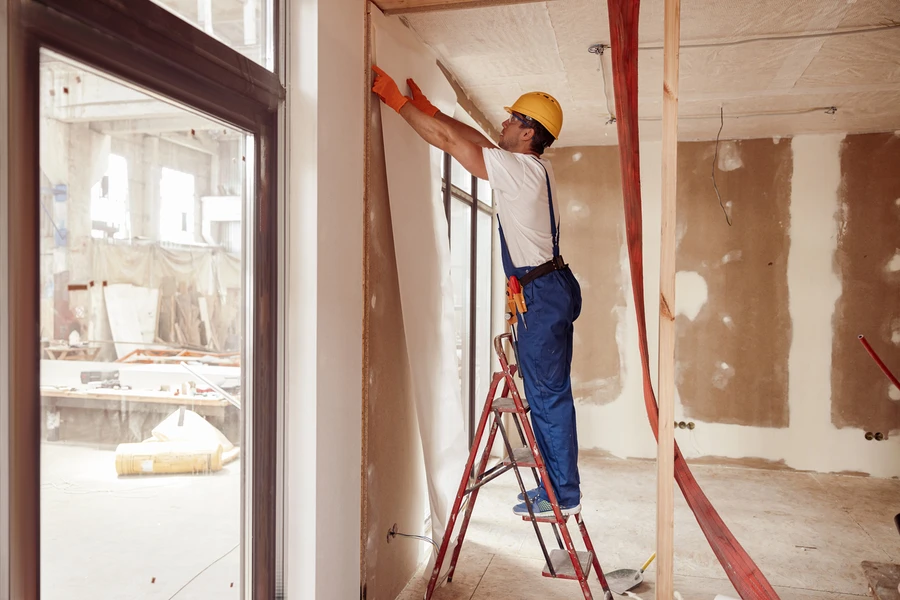
The first mistake often made is inadequate planning and measurement. Many jump into projects without fully assessing space requirements. Taking precise measurements ensures that you purchase the correct amount of materials and avoid unnecessary expenses. Remember, accurate planning sets the foundation for a successful project.
Incorrect Use of Materials
An often-overlooked aspect is selecting the right type of drywall for your specific needs. Not all drywall is created equal. Consider factors like moisture resistance or fire ratings depending on where it will be installed. Using unsuitable materials can lead to complications later on, which might affect the quality of your drywall installation.
Lack of Proper Tools
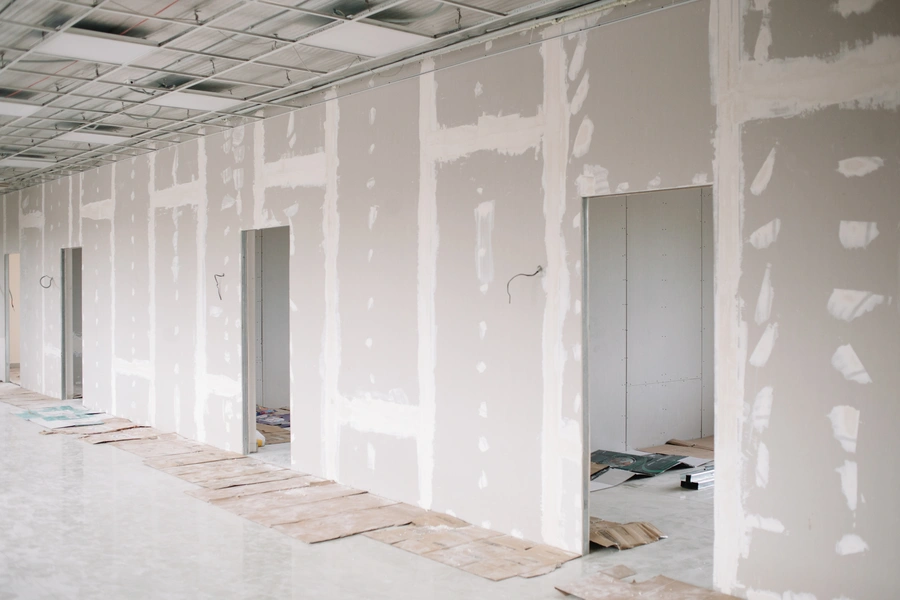
Another significant error is attempting a drywall installation without the necessary tools. Essential tools include a utility knife, T-square, drywall saw, and joint tape. Without these, achieving clean cuts and seamless joints becomes challenging. Investing in proper equipment guarantees efficiency and effectiveness in completing the task.
Ineffective Joint Compounding
Applying joint compound properly is vital for a smooth wall finish. Beginners often apply too much or too little compound, resulting in uneven surfaces or visible seams. The key lies in evenly spreading the compound with consistent pressure while feathering the edges to blend seamlessly.
Ignoring Temperature and Humidity Conditions
Environmental conditions greatly influence drywall’s integrity during installation. High humidity or improper temperatures can cause warping or cracks over time. It’s advisable to monitor ambient conditions and adjust accordingly to prevent such issues from arising post-installation.
Failing to Adhere Sheets Correctly
Improperly adhered sheets can lead to future problems like sagging or loose panels. Applying sufficient pressure when placing sheets onto studs ensures they stay firmly in place over time. Secure each panel correctly using appropriate screws or nails at recommended intervals.
Inadequate Sanding Techniques
Sanding is critical for achieving smooth walls, yet many fail by either rushing through this step or not sanding enough. This leaves visible bumps and imperfections. To ensure an even surface, sand gently using fine-grit sandpaper until all joints are flush with surrounding areas.
- Accurate planning prevents wasted resources
- Select suitable drywall materials for specific needs
- Use essential tools for effective installation
- Apply joint compound correctly for seamless results
- Monitor environmental conditions for optimal results
- Adequately adhere sheets to prevent future issues
- Sufficient sanding ensures smooth wall finishes
Steps for Successful Installation
- Measure and plan accurately before starting
- Select appropriate materials based on room needs
- Gather all necessary tools and equipment
- Adhere sheets securely to wall structure
- Apply joint compound evenly across seams
- Sand surfaces until smooth and flawless
- Consider final painting or texturing options after installation
Your Guide to Perfect Walls Every Time
By understanding the common mistakes in drywall installation, you can achieve exceptional results. With C&S Construction FL LLC, we provide expert advice tailored for any project need. Located in Davenport, FL, our team delivers unmatched service quality. Call us at (863) 208-9216 to discuss how we can help bring your vision to life.